





Outsourced lead generation is a process of generating leads for a business or organization when a business hires an outside company to find and contact potential customers. These companies use different methods, such as sending emails, making phone calls, running online ads, and creating helpful content to attract people interested in the business’s products or services.
By outsourcing this task, businesses can save time and focus on other important work while experts handle finding leads. This is especially helpful for businesses that want to grow quickly but don’t have the resources to do all the work themselves. Outsourcing lead generation helps businesses find new customers more efficiently, increasing sales.
What is Outsourced Lead Generation?
Outsourced lead generation means hiring another company to help you find people who might want to buy from you. These experts know the best ways to contact and interest people in your business. Instead of spending your time hunting for leads, you let the experts do it for you!
How Does Outsourced Lead Generation Work?
Here’s how it usually goes:
- Learn About Your Business: The lead generation company first learns about your business, customers, and goals. It helps them know exactly who to target.
- Create Targeted Campaigns: Next, they create campaigns to reach the most likely to buy from you. This includes sending emails, posting on social media, or running ads.
- Filter Out Bad Leads: Not all leads are good. The company ensures that the people it finds are interested in what you offer, saving you time by only sending you the best leads.
- Keep Improving: The work doesn’t stop once the leads are in. The company tracks how well its campaigns are doing and makes improvements to get even better results.
Essential Strategies for Success in Outsourced Lead Generation
Outsourced lead generation relies on several critical strategies to ensure success. One fundamental approach is target audience research, where service providers thoroughly analyze the ideal customer profile (ICP) and segment the audience based on demographics, behaviour, and preferences.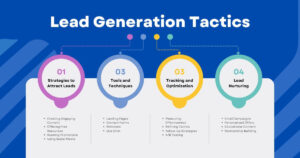
- Finding the Right People: First, they make sure they are talking to the right people—those who are most likely to be interested in what the business is selling.
- Using Different Ways to Reach People: Outsourced teams use different ways to contact people, such as emails, social media, phone calls, and even blogs, to help reach more people.
- Creating Helpful Content: They often create free stuff, like guides, eBooks, or videos, so that people can download or watch in exchange for their contact information. People give their details to build a list of interested leads.
- Staying in Touch: After finding a lead, they keep sending helpful information to keep the person interested. This could be more emails or answers to any questions they might have.
- Focusing on the Best Leads: Not all leads are the same. Some people are likelier to buy, so they prefer the best leads to save time.
- Looking at the Numbers: Outsourced teams track what works and what doesn’t. They look at how many people open emails or click on links and use this information to improve their strategy.
- Cold Calling: Sometimes, they call people who haven’t shown interest yet. This is called cold calling and helps them reach essential decision-makers.
- Learning About the Market: They research the market to understand the types of leads needed. So that they can provide the best leads for customers
- Deciding Who’s Ready to Buy: Questions like whether the person has the money or needs the product are asked to help determine who is ready to buy.
- Setting Up Meetings: Once they have a good lead, they meet with the sales team. This way, the sales team can focus on closing the deal, not finding new leads.
Challenges of Outsourced Lead Generation
- Quality Control Issues: When you hire another company to find leads, it can be hard to know if the leads are good. The outside team may not fully understand your business, so they might give you leads that don’t match your needs.
- Lack of Brand Knowledge: The outside team may not know your company’s story or how you want to talk to customers. This can make their messages different from your brand, confusing people.
- Communication Problems: If the company is in a different time zone, talking and solving problems may take longer. This can make it harder to stay in touch and work quickly.
- Data Security Concerns: Sharing customer information with an outside team can be risky. Your data could be stolen or used incorrectly if they don’t protect it.
- Hidden Costs: Some companies may charge extra for items not mentioned in the contract, making it difficult to know how much you’ll pay.
- Integration Problems: Integrating the outside team‘s work with your systems can be tricky, and it may take extra time to make everything work smoothly.
- Loss of Control: You might miss problems when you outsource because you can’t check all the work.
- Dependence on Outside Teams: If the outside company doesn’t do a good job, it can affect your ability to get new customers. This means your business depends on their work.
Measuring the Success of Outsourced Lead Generation
Measuring how well-outsourced lead generation works means checking if the business is getting suitable leads and turning them into customers. Here’s how to measure success:
- Number of Leads: The first thing to check is the number of leads (possible customers) the team finds. More leads usually mean better results.
- Lead Quality: You don’t need a lot of leads because good leads are more important than lots of leads.
- Conversion Rate: This is how many leads become customers. If many leads buy, the team is doing a great job.
- Cost per Lead: This shows how much money is spent to get one lead. If it costs less, it means the lead generation is more efficient.
- Follow-Up Success: This measures how well the team stays in touch with leads. If they follow up well, they help turn leads into customers.
- Response Rate: This shows how many people reply to emails, calls, or messages. A high response rate means the team is reaching people correctly.
- Sales Growth: The most important measure is whether sales are going up. When the business makes more profits, it’s proof that lead generation works.
- Return on Investment (ROI): This shows if the money spent on lead generation brings back more money. If the ROI is high, it means the business is getting good results.
By checking these things, businesses can determine whether outsourced lead generation works and how to improve it.